
We are a small publishing house registered in Brazil and based in Rio de Janeiro, focused on the publication of scientific books and other editorial products. We accept actualy new orders for publications in Portuguese, English, and Spanish.
To contact us about book publishing and other informational products—digital or printed—as well as ISBN registration, please send a message to ivides@ivides.org or use the contact form.
Publisher:
Dr. Raquel Dezidério Souto
CNPJ: 56.127.866/0001-12
International Editorial Board
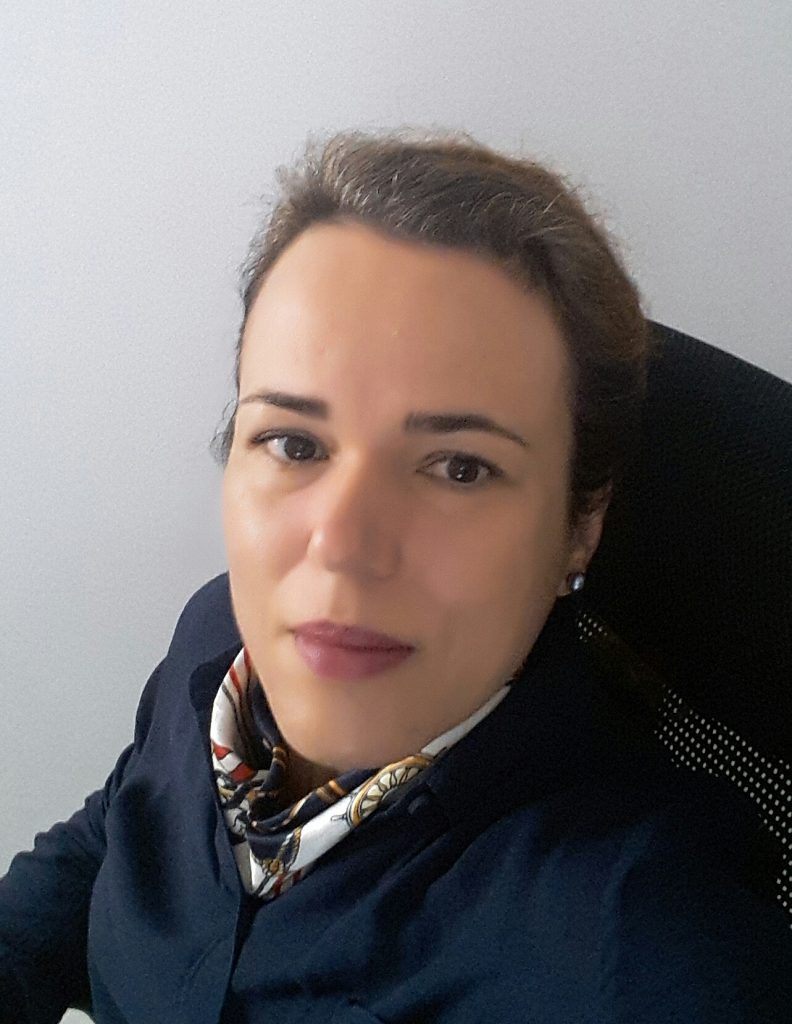
Raquel Dezidério Souto – Chair
IVIDES DATA® | Federal University of Rio de Janeiro – UFRJ (Brazil)
http://lattes.cnpq.br/7537888802683724
Owner of IVIDES DATA®, a small company based in Rio de Janeiro (Brazil). Editor-in-chief of Editora IVIDES and president of the Virtual Institute for Sustainable Development – IVIDES.org®. PhD in Geography, with a postdoctoral position in the Graduate Program in Geography at the Federal University of Rio de Janeiro – PPGG-UFRJ (Brazil). Currently, developing research with the GeoCart – Laboratory of Cartography, where she is dedicated to the technological innovation and the promotion of training on collaborative mapping with OpenStreetMap and web development, PPGIS, PGIS, VGI, free and open source software and open data. She holds a Master of Science (Population Studies and Social Research) from the National School of Statistical Sciences – ENCE-IBGE, and a Bachelor degree in Oceanography from the State University of Rio de Janeiro – UERJ. She holds certificates in Integrated Coastal Management and Marine Spatial Planning training from the Intergovernmental Oceanographic Commission (IOC-Unesco). She is a reviewer for 13 scientific journals in geography and oceanography and member of the editorial board of two others. Editor for Brazilian Portuguese at the weeklyOSM and the official blog of the OpenStreetMap Foundation (OSMF). Created two literary series unprecedented in Brazil: Environmental Management and Sustainability in Coastal and Marine Areas: Concepts and Practices, and Case Studies in Collaborative and Participatory Mapping, in Portuguese.
Bianca Vanesa Freddo
Universidad Nacional de la Patagonia San Juan Bosco – UNPSJB (Argentina)
https://orcid.org/0000-0001-5511-5890
She is a PhD candidate in Geography at the National University of the South (Bahía Blanca, Argentina), holds a Master’s degree in teaching in digital environments from the National University of Patagonia San Juan Bosco – UNPSJB, Faculty of Engineering (Comodoro Rivadavia, Argentina). She holds also a diploma in cartography, cataloging, and metacataloging of cartographic resources – National University of the South (Bahía Blanca, Argentina). And Bachelor’s degree in Geography from UNPSJB – Faculty of Humanities and Social Sciences (Comodoro Rivadavia, Argentina). Technician in Geographic Information System (GIS) and remote sensing (TSIGT) from UNPSJB – Faculty of Humanities and Social Sciences (Comodoro Rivadavia, Argentina). Research professor at the Department of Geography – Faculty of Humanities and Social Sciences. Patagonian Geographic Research Institute (IGEOPAT), Geographic Information Systems and Remote Sensing Laboratory (Lab. SIGyT), Geography, Action, and Territory Research Group (GIGAT), and Free Chair of Social Cartography at UNPSJB.
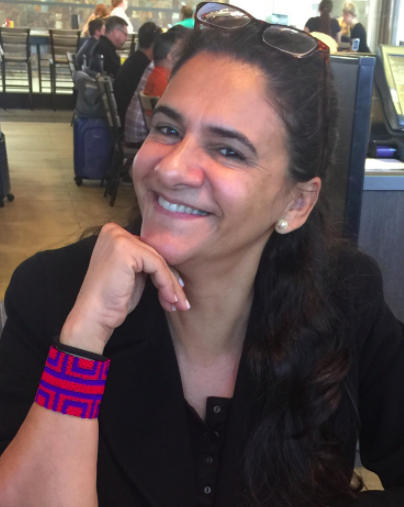
Carla Juscélia O. Souza
Federal University of São João del-Rei – UFSJ (Brazil)
https://lattes.cnpq.br/7782648432777280
She holds a PhD in Geography from the Federal University of Minas Gerais – UFMG (2009). She holds a Master’s degree in Geography (1995), is licensed (1990) and bachelor (1988) in Geography from UFMG. Actualy, is Associate Professor I in the Department of Geosciences at the Federal University of São João del-Rei (UFSJ) and its Graduate Program in Geography. She is the leader of the Study and Research Group on Geography, Education, and Risks (GEPEGER) and a member of the Portuguese Association for Risk, Prevention, and Safety, as well as a member of the Center for Study and Research in Geographic Education (NEPEG) and the Study Group on Cartography for Schoolchildren (GECE). She coordinates the Research Project Education for risk: knowledge and contribution of geography teachers to the topic of environmental risk in public schools in Minas Gerais (CNPq) and is coordinator of PIBID – Geography.
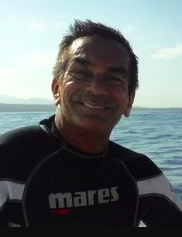
Daniel O. Suman
Univeristy of Miami (USA)
https://orcid.org/0000-0002-3018-8628
He holds a Bachelor’s degree in Chemistry and Latin American Studies from Middlebury College (1972). A Master’s degree in Education and Latin American Studies from Columbia University (1978), a PhD in Oceanography from the Scripps Institution of Oceanography, University of California, Berkeley (San Diego, USA), and a JD in Environmental Law with a Specialization in Environmental Law from the University of California (Berkeley, USA) (1991). His research focuses on coastal zone management, including mechanisms to increase institutional cooperation, capacity building, management plan development, and conflict reduction among various resource users. Marine and coastal protected areas and climate change adaptation are additional areas of his research. He devotes much of his efforts to work in the Caribbean and Latin America, but also conducts research in several other regions of the world.
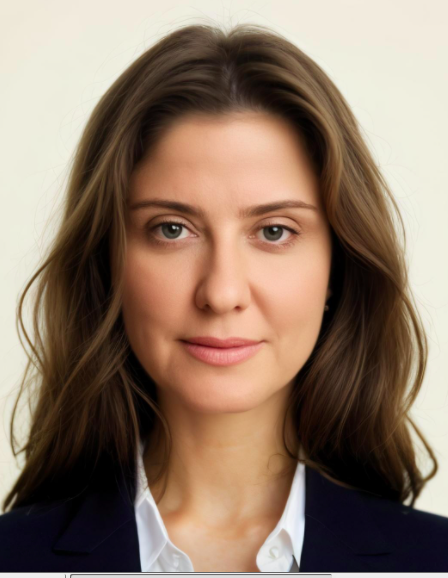
Heliana F. Mettig Rocha
Federal University of Bahia – UFBA (Brazil)
https://lattes.cnpq.br/3471932305876361
Architect and urban planner (1997), specialized in geoprocessing (1998). She holds a Master’s degree (2007) and a PhD (2017) in Architecture and Urban Planning from the Federal University of Bahia – UFBA, with a sandwich internship in Landscape Architecture at the University of Copenhagen (PDSE) (2015). She has a postdoctoral internship in Architecture and urban planning at the University of Brasília – UnB (2023). Associate professor III (DE) at the Faculty of Architecture at UFBA (since 2008), where she teaches courses in Architecture, Urban Planning, and Engineering. Collaborating professor in the Graduate Program in Architecture and Urbanism – PPG-AU/FA-UFBA.
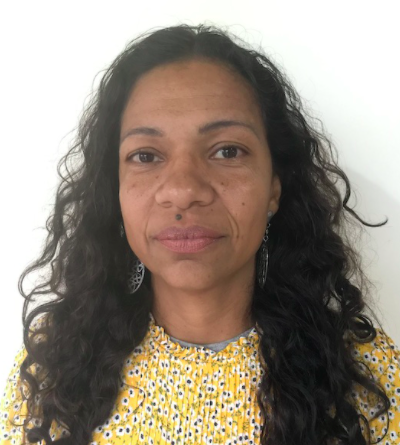
Juliani B. Walotek
State University of Santa Catarina – UDESC (Brazil)
https://lattes.cnpq.br/9897335494846874
She holds a Bachelor’s degree in History, with a Master’s degree from the Federal University of Santa Catarina – UFSC, in the field of Cultural History. Currently pursuing a phD at the State University of Santa Catarina – UDESC, in the Graduate Program in Territorial Planning and Socio-Environmental Development. Professor at the Federal Institute of Santa Catarina – IFSC (Garopaba Campus) since 2013.
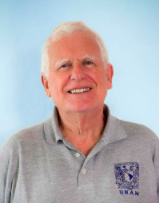
Michael K. McCall
Universidad Nacional Autónoma de México – UNAM (Mexico)
https://orcid.org/0000-0002-2203-5330
Michael is a senior researcher at the Center for Environmental Geography at the National Autonomous University of Mexico (CIGA-UNAM), after many years at the Faculty of Geo-Information Science and Earth Observation – ITC/University of Twente (The Netherlands). His research and training activities and publications focus on social mapping and participatory GIS (PGIS) with communities, applied to territorial claims, cultural landscapes, natural resources, participatory urban planning, children’s spaces, and vulnerability assessment. He has taught and given workshops in Africa, Asia, Europe, and Latin America. He holds a PhD in geography (1980) and a Master’s degree in geography (1971) from Northwestern University (Evanston IL, USA). He has a bachelor’s degree in social sciences from the University of Bristol (England) (1970). He has professional experience and has lived in the following countries: Tanzania (9 years), Sri Lanka (4 years), USA (4 years), Mexico (1 year), Seychelles (4 years in secondary education). He has conducted research, training, and fieldwork in several other countries: Kenya, Malawi, Zimbabwe, Cameroon, Zambia, Lesotho, Ethiopia, South Africa, Uganda, India, Pakistan, Thailand, Nepal, Indonesia, Colombia, and Cuba.
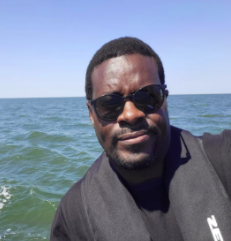
Oladokun Sulaiman Olanrewaju
Seanexus Africa | Alfred Wagener Institute (Germany)
https://orcid.org/0000-0003-4374-626X
He is currently a scientist at the Alfred Wagener Institute (Bremerhaven, Germany), where he conducts transdisciplinary research on ocean food systems. Prior to that, he was a visiting professor and Theodore Von Karman fellow at RWTH Aachen University, under the sponsorship of the Institute for Water Resources and Hydraulic Engineering and the Neotectonic and Georisk Institute, where he researched the use of macroalgae as a nature-based solution technology for coastal protection, sea level rise, climate change adaptation, tsunami mitigation, biodiversity, ecosystem services, and bio-based raw materials for the circular economy. He was an associate professor of ocean engineering and marine technology at the University of Malaysia Terengganu, a visiting professor at Cranfield University (UK), a senior visiting researcher at the University of Wollongong (Australia), and a guest professor at the University of Hawaii and the Technical University of Cologne. He has conducted studies on environmental safety/risk and reliability for maritime systems, offshore marine aquaculture, and ocean systems. He is also the author and co-author of more than 190 articles in scientific journals and 12 books.
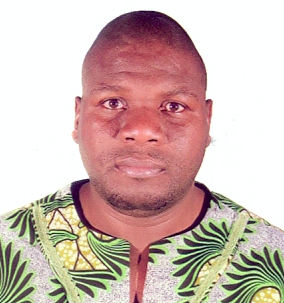
Sabil Mandala
Pedagogical University of Maputo (Mozambique)
https://lattes.cnpq.br/8467387676194996
He holds a graduation in History and Geography teaching from the Pedagogical University of Maputo (Mozambique) (2002), holds also a Master’s degree in Geomatics and Natural Resource assessment from the University of Florence/IAO (Italy) (2009) and a PhD in Geography and Spatial Organization from the State University of São Paulo – Unesp (Rio Claro Campus, SP, Brazil) (2016). He has been a university professor since 2003, currently in the category of assistant professor at the Faculty of Earth and Environmental Sciences at the Pedagogical University of Maputo (Mozambique). He was director of the Bachelor’s Degree in Geography Teaching (2010-2013); deputy director for research and postgraduate studies (2017-2024) and current is the Director of the Doctoral Program in Geography at the Faculty of Earth and Environmental Sciences at the Pedagogical University of Maputo.
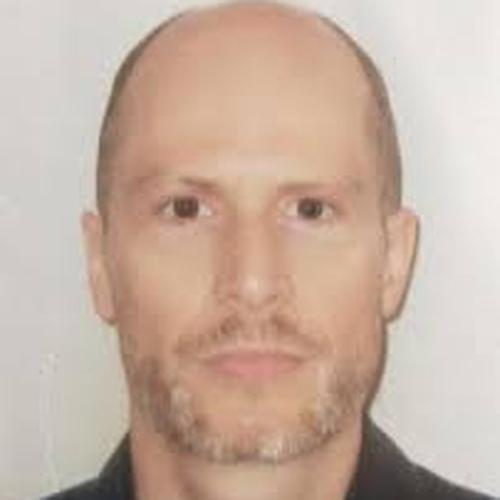
Séverin Ménard
Les Libres Géographes – Llg (France)
http://www.openstreetmap.org/user/SeverinGeo
Séverin Ménard has been contributing to OpenStreetMap (OSM) as SeverinGeo since January 2010 and has been implementing programs to create and support OSM communities in the Global South for training in OSM and free geomatics, as well as mapping territories in more than 20 countries since 2011. First with the Humanitarian OpenStreetMap Team (HOT) and then through the collective Les Libres Géographes, of which he is one of the founders. He was also a member of the UN Mappers crowdsourcing team, a program of the United Nations Global Service Centre (UNGSC) (2021-2024), responsible, in particular, for educational activities and content creation for the UN Maps Learning Hub. He also volunteers at weeklyOSM and the OpenStreetMap Foundation (OSMF) blog.
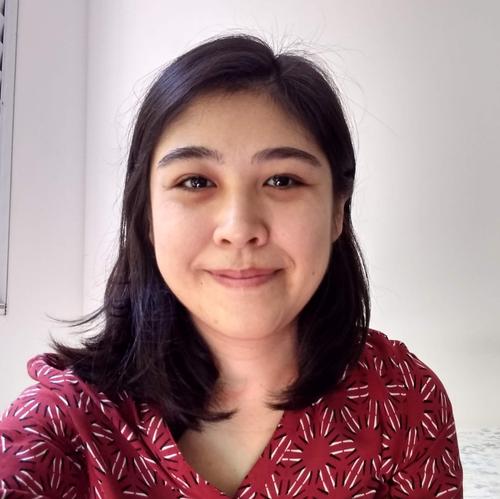
Sheina Koffler
Brazilian Citizen Science Network – RBCC. Federal University of ABC – UFABC (Brazil)
https://lattes.cnpq.br/9090107411611255
Postdoctoral researcher at INCT Pollination: knowledge, conservation, and sustainable use of pollinators – INPol, affiliated with the Federal University of ABC. Biologist from the University of São Paulo – USP, with a master’s and doctorate in Ecology. She served as a visiting specialist in the Citizen Science Program at the National Institute of Atlantic Forest – INMA, postdoctoral researcher at the Institute of Advanced Studies at USP and at the Center for Society, University and Science Studies – SoU_Ciência/UNIFESP. She is co-coordinator of the BeeKeep citizen science initiative and co-founder of the Brazilian Citizen Science Network – RBCC.